The University of Mount Union is proud to be at the forefront of faculty training and implementation with artificial intelligence. The adoption of AI into higher education is crucial in meeting today's students where they are in their educational journeys. As such, Mount Union created the AI Fellows Program, in which more than 20 faculty members worked to incorporate AI into their academic disciplines to improve planning efficiency and bolster student learning outcomes.
AI Research Assistance for Students
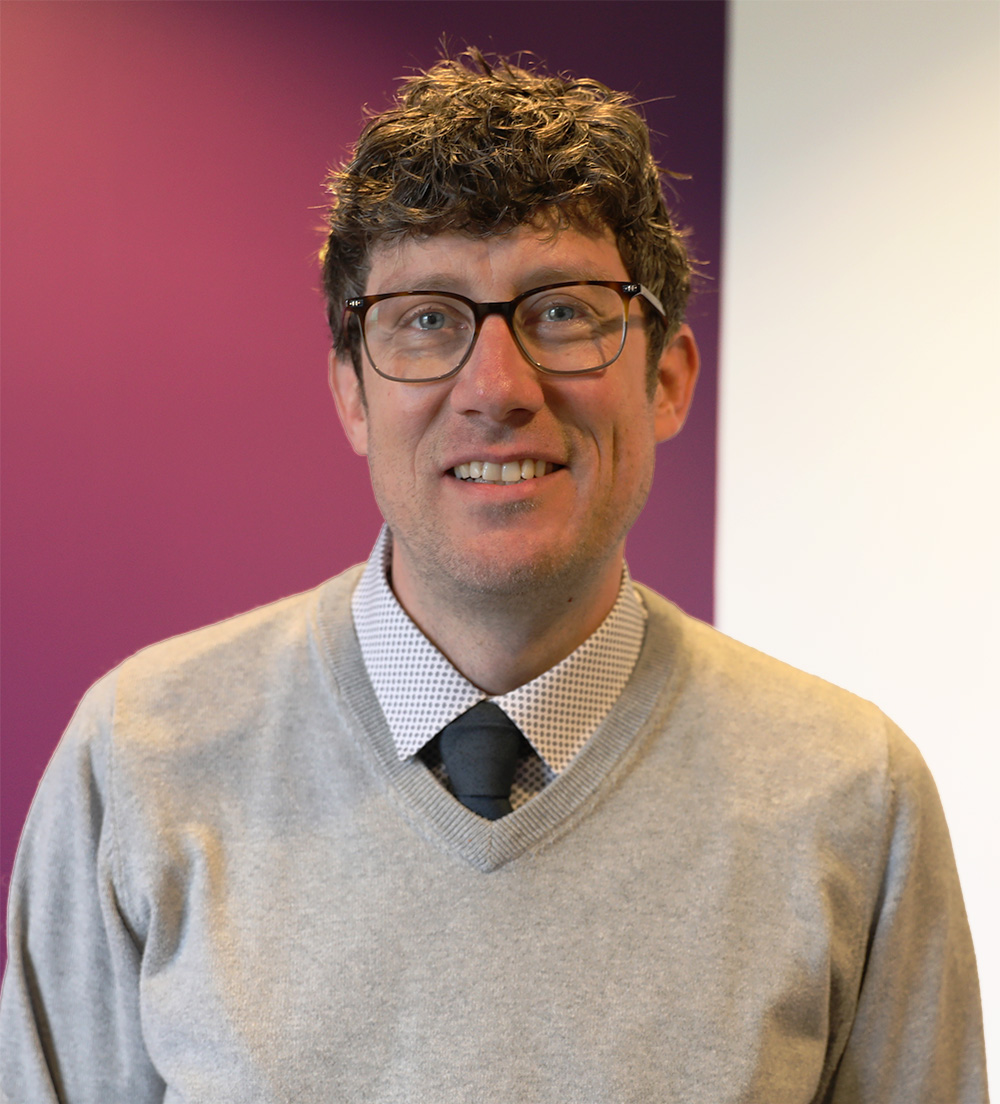
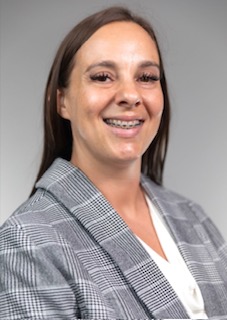
With several unique disciplines involved in the AI Fellows Program, one way faculty help students understand the ethical use of AI is by synthesizing necessary research for assignments. Dr. Aaron Howell, associate professor of sociology, Professor Laura Kelly, assistant professor of marketing, and Dr. Rikki Price, visiting assistant professor of public relations, are all incorporating the use of AI platforms to help students find background information on applicable topics, audience demographics for surveying, and campaign logistics during testing phases. This allows students to spend more time on critical thinking and to design projects with greater reliability and consistency.
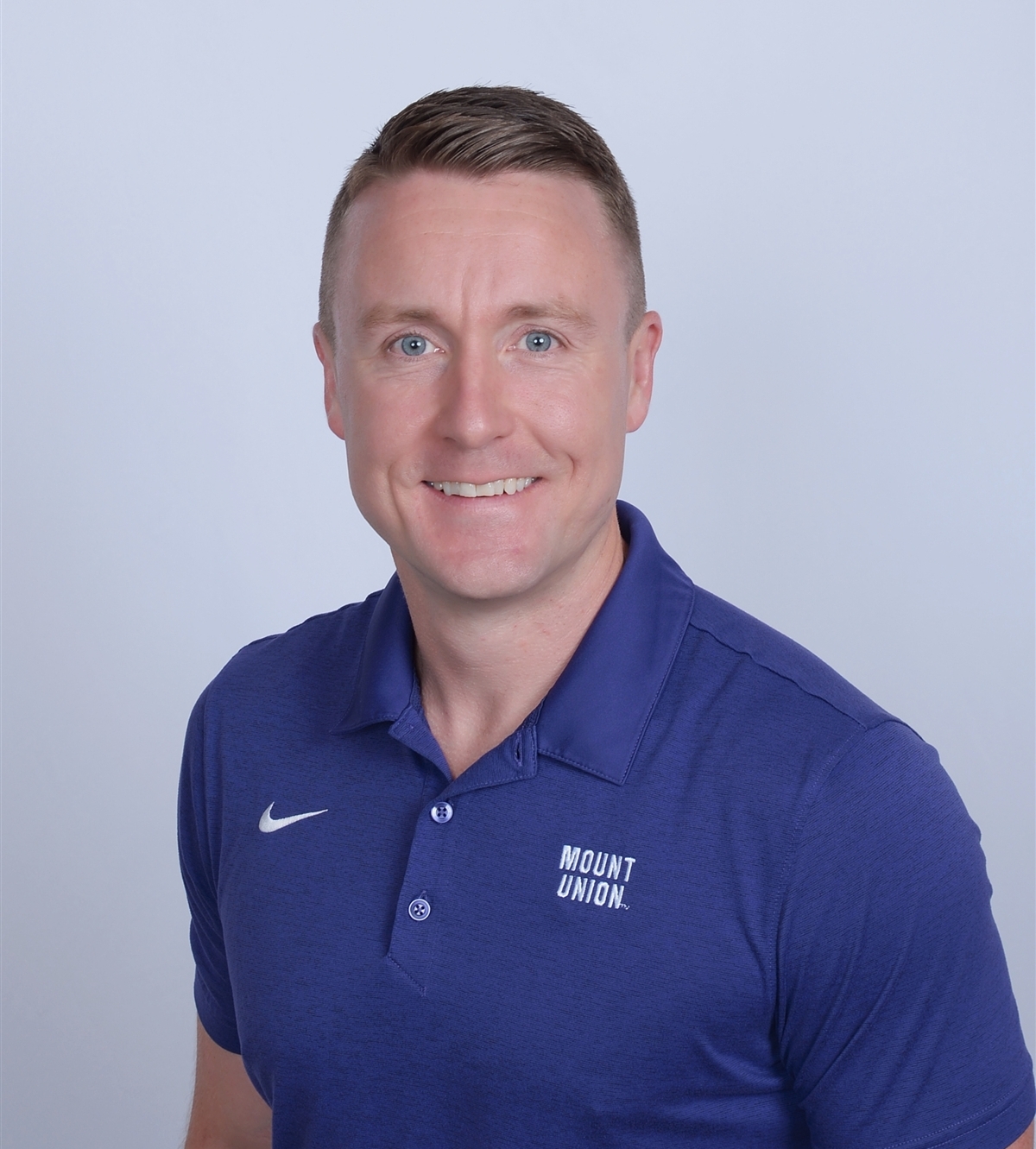
Exercise science students in Dr. Tomás Barrett’s Scholarship in Exercise Science course are encouraged to use AI to stress test their projects after developing their research question, methods, and timeline. This allows students to anticipate potential pitfalls or constraints in their research before working with human subjects, providing for a more accurate and positive experience.
I love interacting with students, particularly when they have questions that further their understanding. That is my goal, to have my students understand information, not just learn it. I also love being in an environment where I am driven to continue to learn.
The impact of AI at all levels of education is more prevalent than ever. Faculty in Mount Union’s School of Education are preparing teaching candidates for this rapidly changing landscape in a variety of ways. Drs. Jeremy Brueck, associate professor of education, and Caitlin Reash, assistant professor of education, are utilizing AI to aid in the development of personalized instruction strategies and lesson plans for students of all grade levels and abilities.
Kimberly Brueck, coordinator of PreK-12 partnerships, and Dr. Nicci Lambright, assistant professor of education, are focusing on how AI can improve communication with students and families. By generating curated prompts for specific situations, preservice teachers can predict parental responses to talking points, simulating difficult conversations during parent-teacher conferences or with students who have unique social or emotional barriers.
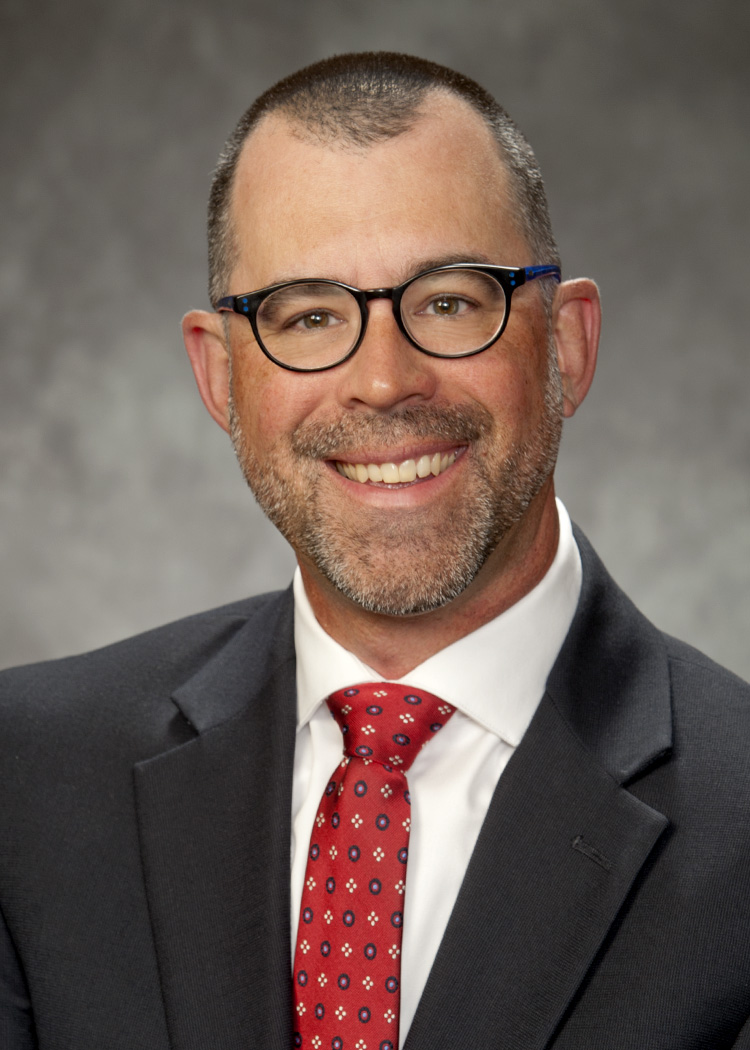
As AI continues to grow and develop, Drs. Mandy Capel, professor and director of graduate programs, and Melissa Askren Edgehouse, director of the School of Education and Lester D. Crow Professor in Education, are working to understand its ethical and legal implications within school districts. Capel has incorporated the legal considerations of AI into her graduate-level School Law course to ensure professionals understand the technology’s impact on student privacy and equity. Askren Edgehouse’s Technology for Educational Leaders course has professionals using different platforms to find the policies that best serve the individual needs of their districts, saving administrators time while ensuring AI usage is handled appropriately.
As a teacher, I understand the importance of gaining the trust of all students through honest dealings, predictable reactions, well-controlled emotions, setting an excellent example, and the ability to think differently to implement dynamic solutions.
In the School of Education at Mount Union, we know our students and provide personalized attention to ensure they have support not only as a student, but as a person as well.
Mount Union Director of Graduation Programs, School of Education
We cannot always predict the future, but we can embrace ambiguity of the unexpected and strategize how to respond to the surprises that might change the course of our intentions.
Director, School of Education and Lester D. Crow Professor in Education
Mount Union feels like home. The people here—students and faculty alike—genuinely care and support one another. It’s a place to grow, learn, and belong. There’s something truly special about this community.
Faculty at Mount Union have discovered ways to enhance the student experience using AI in majors that some might not anticipate. Dr. Haruka Ogawa, assistant professor of Japanese, is launching the University’s first AI-powered language course using the Speakology platform. The AI behavior on Speakology is refined by faculty so that students can engage in interactive conversations with an AI-powered avatar, strengthening their language skills and understanding of AI literacy. Dr. Steve Cederbloom, associate professor of physics and astronomy, is using Sloan Digital Sky Survey galaxy data to teach students about the importance of supervised and unsupervised machine learning.
Creative industries have been at the center of many discussions regarding AI’s growing ubiquity. Professor Nick Muffet, assistant professor of art, wants to ensure Mount Union students are equipped with both the knowledge and skills for competitive design jobs. In his Graphic Design I course, students are designing with and for AI to understand the generative tools they might be compared against, and to further articulate their value to employers.
Additionally, Dr. Sara Dorris, associate professor of nursing, is preparing nurses for the unique role AI continues to play in healthcare. Similar to Kimberly Brueck’s parent-teach simulations, Dorris has introduced AI-based patient encounters for nursing students. By creating carefully designed prompts to mirror how patients describe ailments, students can better understand the dynamics of a real clinical interview and what assessments need to be completed in each setting.
Being a professor was my dream job because I love learning and teaching! I always wanted to be a language teacher, which is why I started studying theoretical linguistics and bilingualism.
Watching the students grow within the program is rewarding, but our students build lasting bonds that allow us to continue to watch their growth out in the workforce.